i-LiNQ: One Time. One Abutment. Total Confidence.
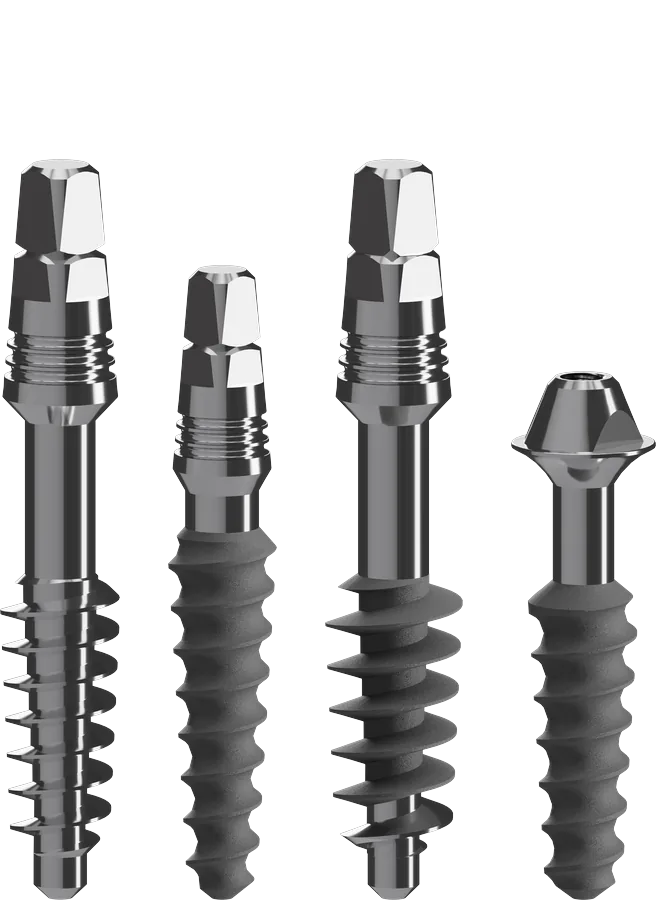
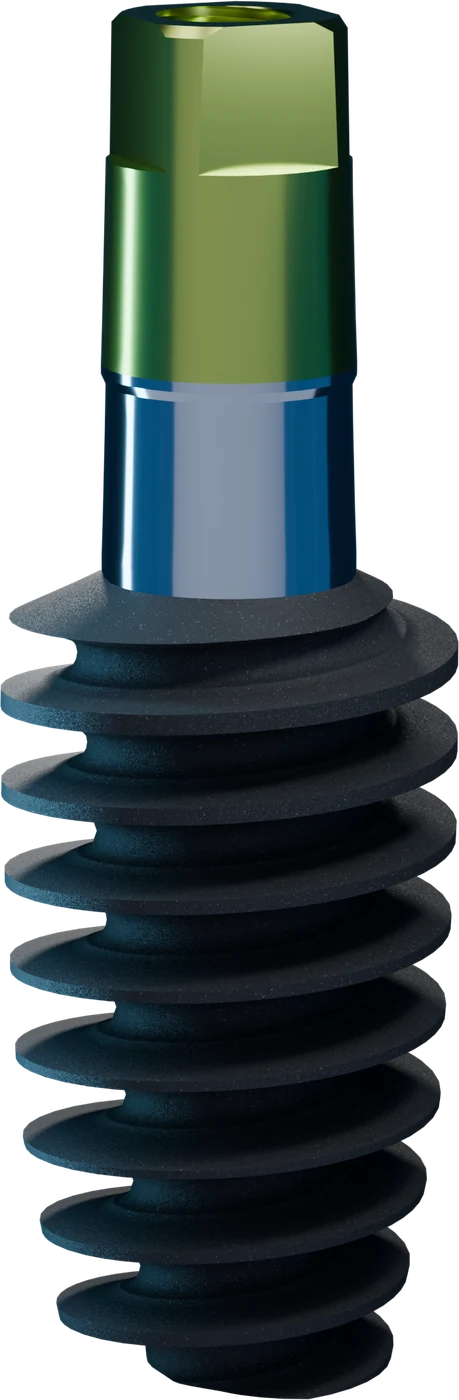
The i-LiNQ® component sits between implant and abutment. It is placed at uncovering and never taken out again, so every prosthetic step happens above the bone.
Explore the conceptWhy i-LiNQ®
By reducing the diameter of the i-LiNQ® component to a technical minimum at the crestal bone exit, the surrounding bone layer — and its blood supply — is preserved.
- 01
One time, one abutment
Inserted into the implant at the time of uncovering and never removed again. The soft-tissue emergence profile is shaped on top of it with a healing abutment.
- 02
Prosthetics above the bone
All prosthetic steps take place at gingival level — one storey above the bone — instead of re-entering bone level at every impression and try-in.
- 03
No intraoral cement
Crowns are cemented extraorally on i-cement abutments or screw-retained on i-connect; bridges can also be seated by friction alone with i-conometric.
- 04
1.5° locking taper
Retention and force transfer rely on cold welding of the conical connection; indexed and non-indexed positioning.
- 05
Narrow hybrid design
Wide where the bone is wide and narrow at the exit from the crest; the rough implant body is placed below crest level.
- 06
Modular family
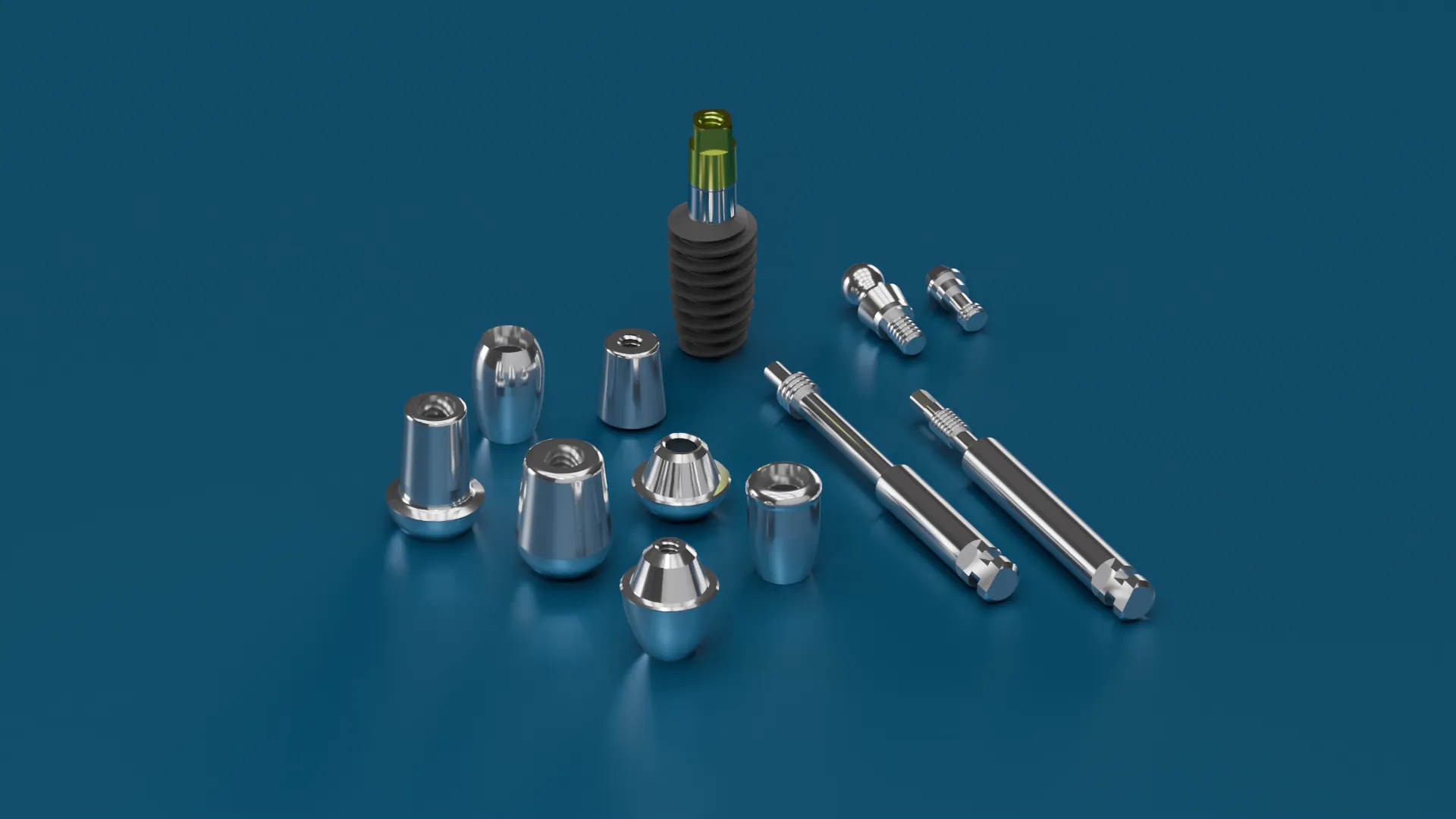
One component, four prosthetic routes: cemented, screw-retained, conometric and removable — plus digital components.
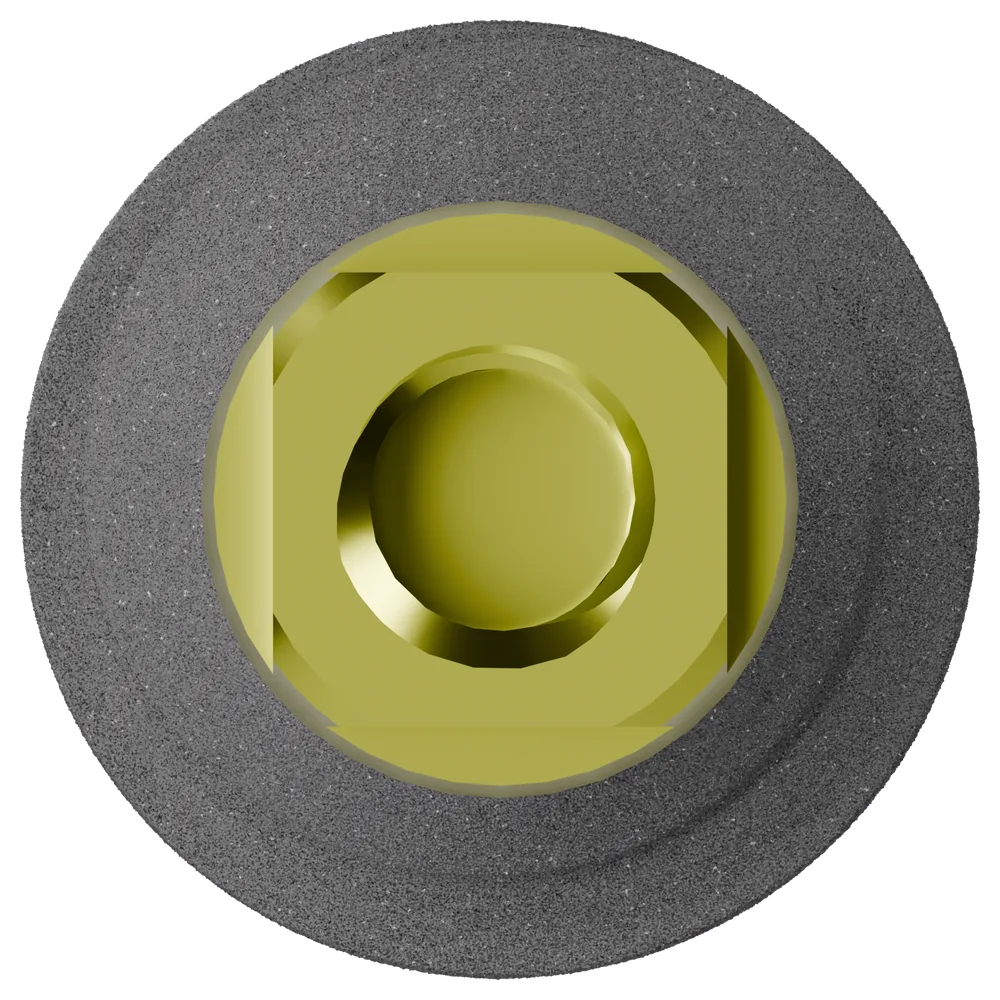
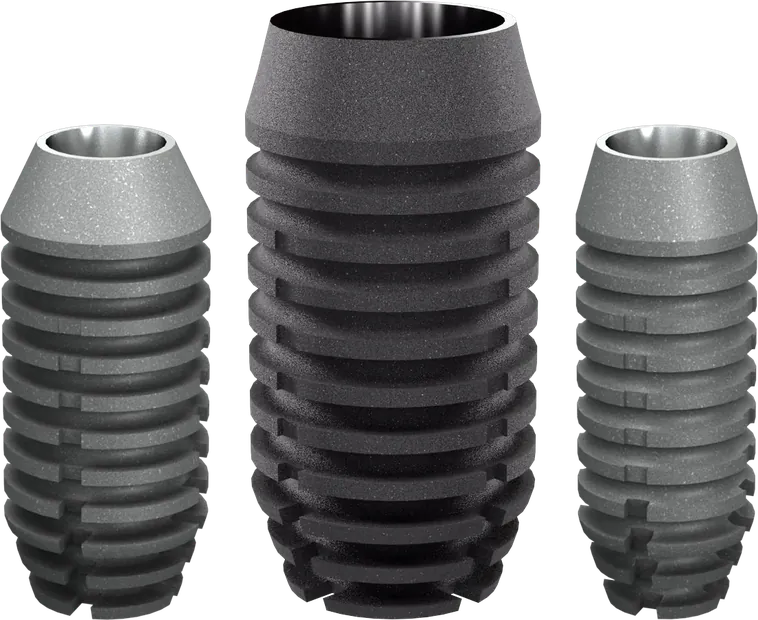
i-LiNQ® Implant
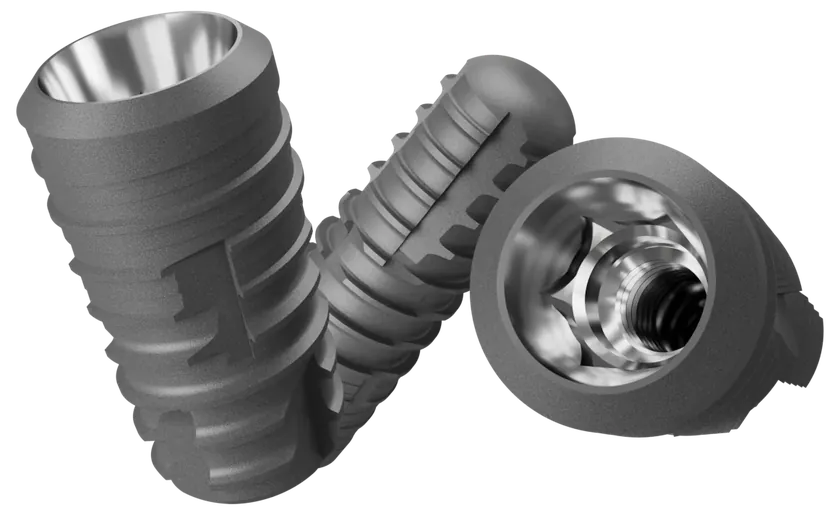
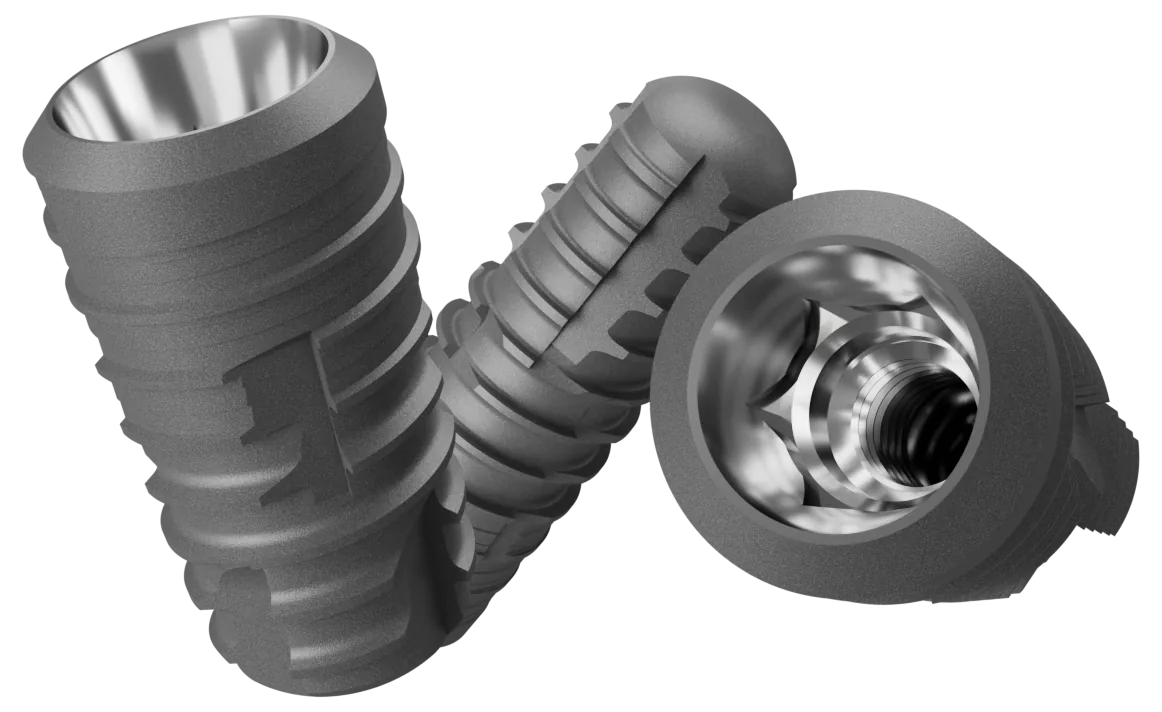
A two-piece implant with a change from internal to external connection, built on 1.5° morse-taper technology. The thread cuts into the osteotomy walls only with its outer tips, leaving open healing chambers between the threads for vascularised bone formation.
- Diameters 2.7 – 6.0 mm, lengths 8.0 – 14.0 mm
- Sloping shoulder in line with the transversal bone profile
- Progressive, stress-reducing thread; immediate loading possible in suitable cases
- Delayed or immediate loading protocol depending on bone quality
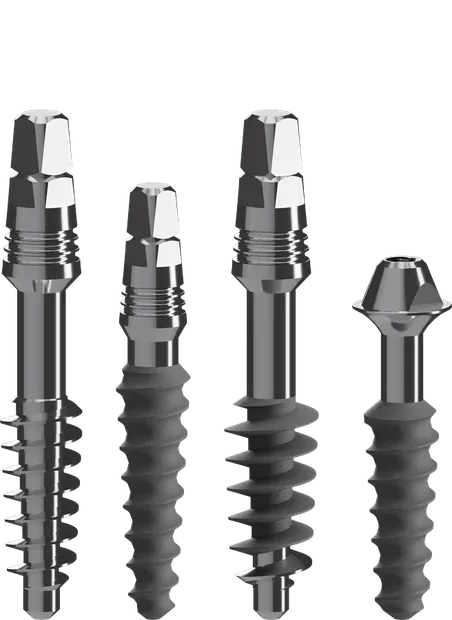
Four prosthetic routes on one component
Impressions are preferably taken at i-LiNQ® level with 1-piece or 3-piece impression posts, so the technician can adapt the abutment to the individual case.
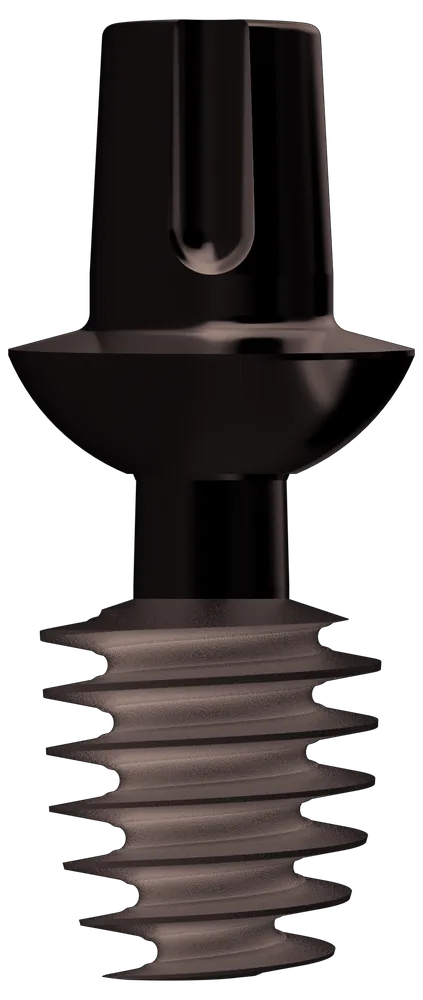
i-cement — cemented
For single crowns and bridgework. Single crowns are cemented extraorally to avoid cement excess in the sulcus; intraoral cementation remains possible when bridgework requires it.
- Diameter
- Ø4.0 · 5.0 · 6.5 mm
- GH
- short [S] · regular [R] · long [L]
- Angle
- straight · 15° · 25°
- Index
- indexed · non-indexed
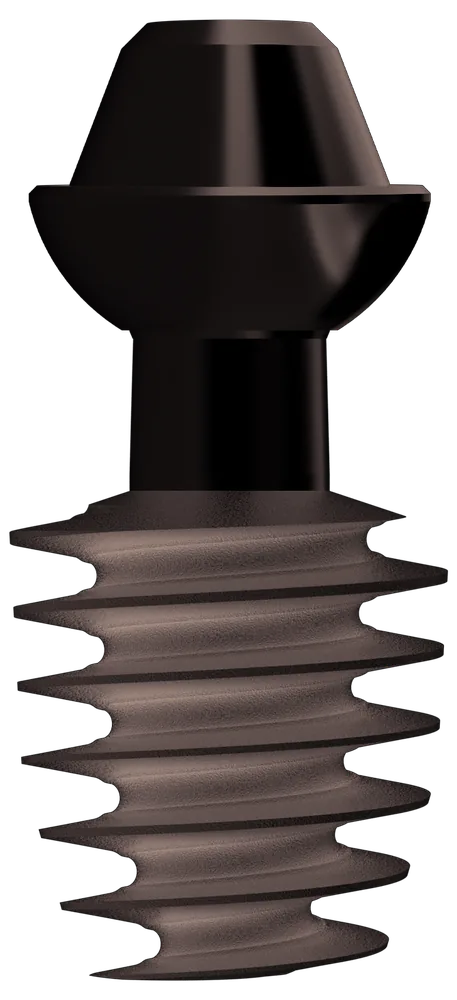
i-connect — screw-retained
For splinted crowns, bridges and bars. Compatible with the well-known multi-unit geometry, so common CAD/CAM framework workflows apply. A two-step impression technique is recommended.
- Angle
- 0° · 17° · 35°
- GH straight
- S · R · L, non-indexed
- GH angled
- R · L, indexed / non-indexed
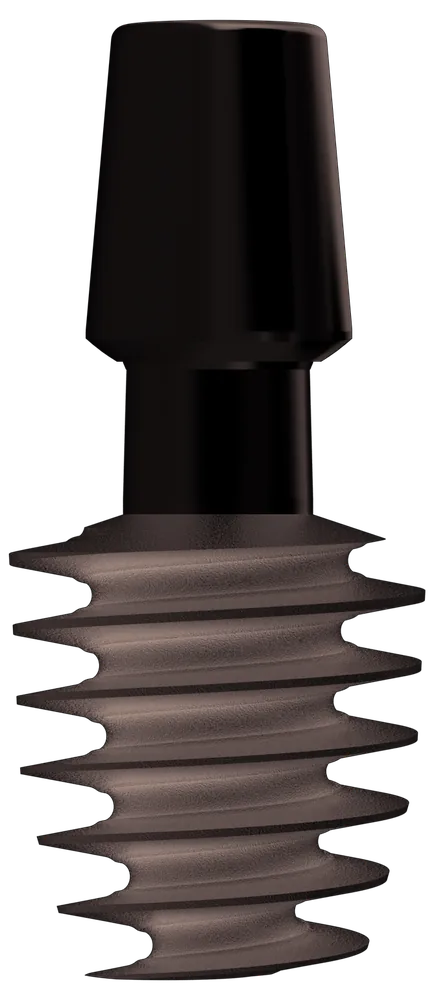
i-conometric — friction-retained
Cement-free seating of bridges: a 5° conical cap compensates axial divergences between implants and is cold-welded at 15 Ncm.
- Cap
- 0° · 15°
- Abutment
- Ø5.0 · 6.5 mm
- GH
- S · R · L
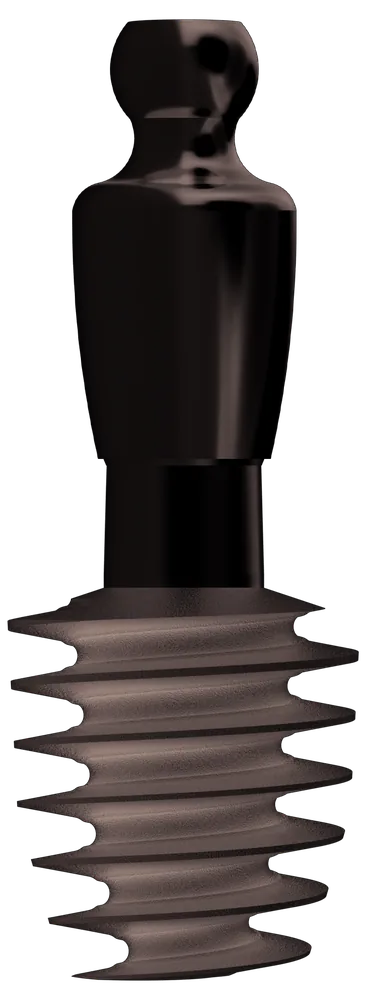
i-ball and i-locator — removable
Retention of removable dentures. The retentive element is seated at 15 Ncm; the housing is polymerised into the denture base directly or indirectly.
- i-ball
- GH S, replaceable ball
- i-locator
- GH S · R
i-LiNQ® components on the i-System implant
The same prosthetic components seated on the i-System implant, which shares the 1.5° locking conical connection.
i-cement abutment Ø6.5 R on the i-System implant
i-connect abutment on the i-System implant
i-conometric abutment on the i-System implant
i-ball abutment on the i-System implant
i-healing abutment, short, on the i-System implant
i-locator abutment on the i-System implant
Surgical protocol and kit
Low-speed drilling: at 50 rpm without irrigation the drills harvest bone chips that are placed back into the gap between implant and osteotomy.
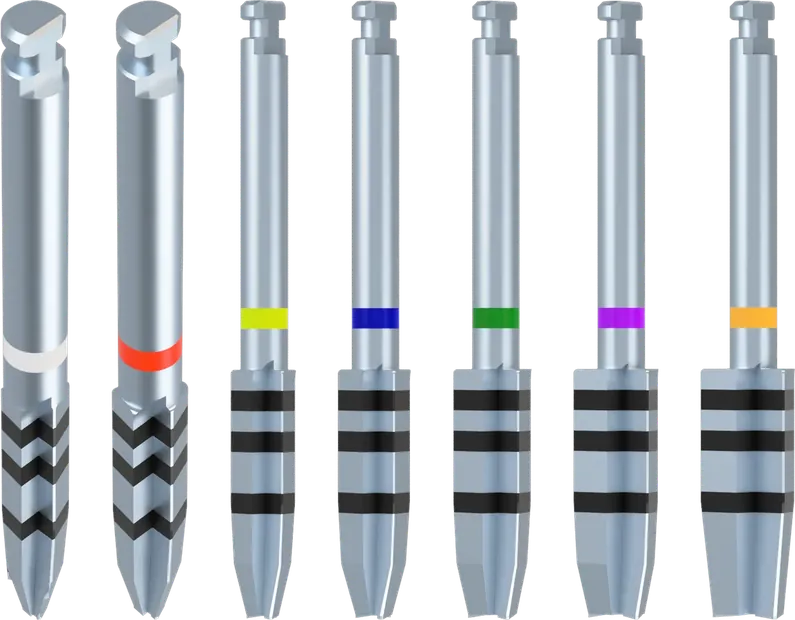
Drill sequence
Final drills from Ø2.5 to Ø5.2 mm, chosen to match the implant diameter and bone quality; position, depth and axis are checked before insertion.
Product details →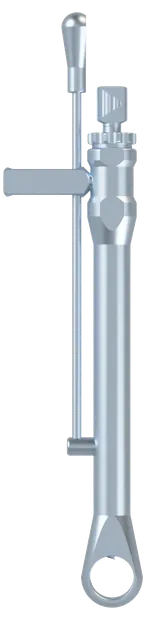
Torque ratchet
Torque-controlled ratchet and 1.2 mm hex driver for seating i-LiNQ® components at 15 Ncm.
Product details →
Insertion
Insertion torque up to 50 Ncm at 30 rpm or less; bone chips are placed into the circular gap before wound closure.
Product details →
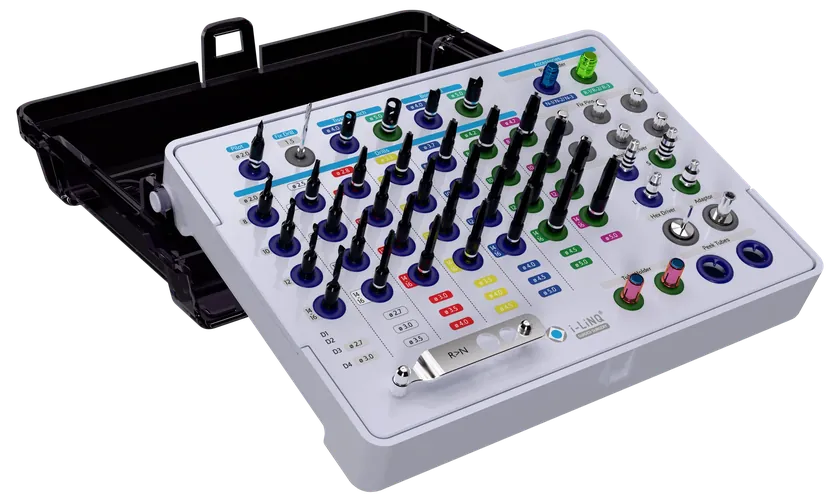
Digital and laboratory components
i-LiNQ lab analog
Ti abutment Ø4.0, short
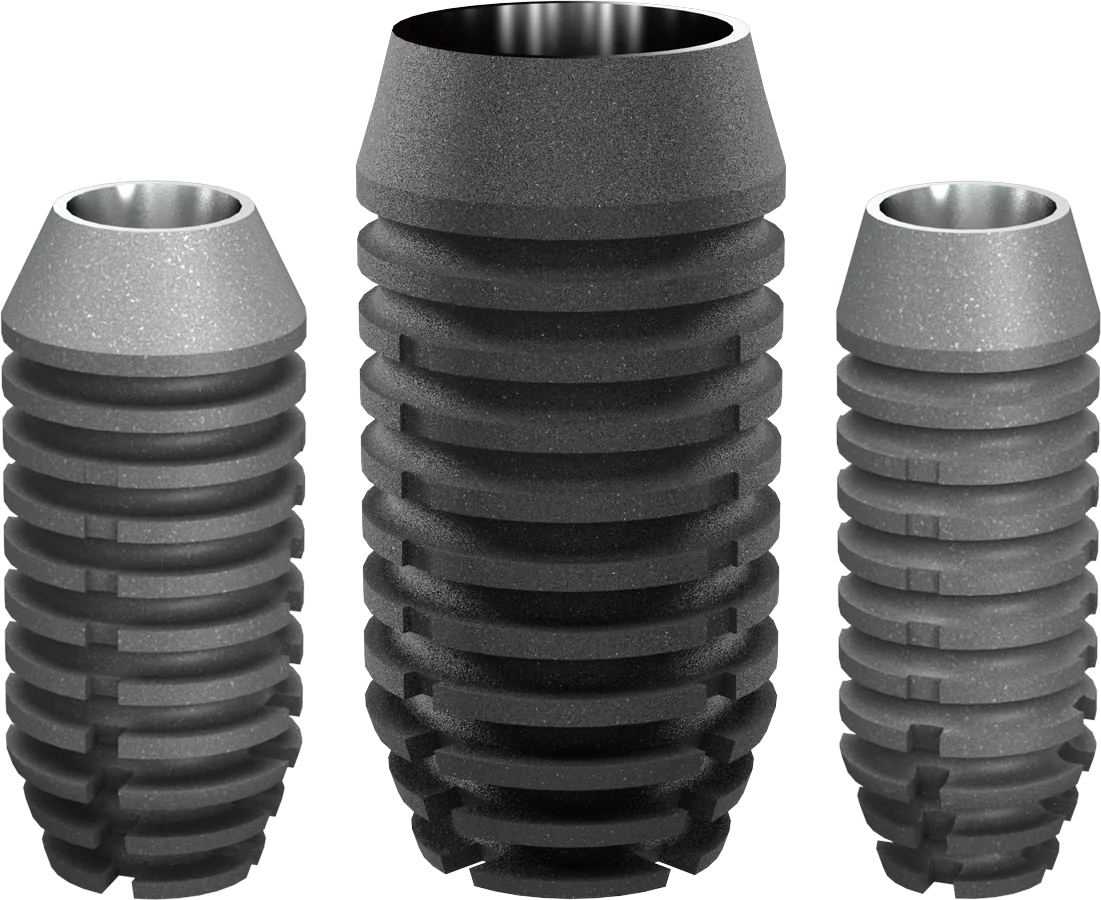
i-LiNQ implant Ø4.0 × 10 mm
i-LiNQ implant surface, macro render
One Time. One Abutment. Total Confidence.
i-LiNQ® redefines efficiency in implantology — a smart abutment system designed for biological harmony and clinical precision.
Documents
The i-LiNQ® implant catalog and guideline book are published under a third-party copyright and are available on request.